Horizontal Heavens
Observatory
"...From A Galaxy Far, Far
Away"
Clear Sky Chart

This page was last updated on 10/08/14.
Horizontal Heavens
Observatory
"...From A Galaxy Far, Far
Away"
|
|
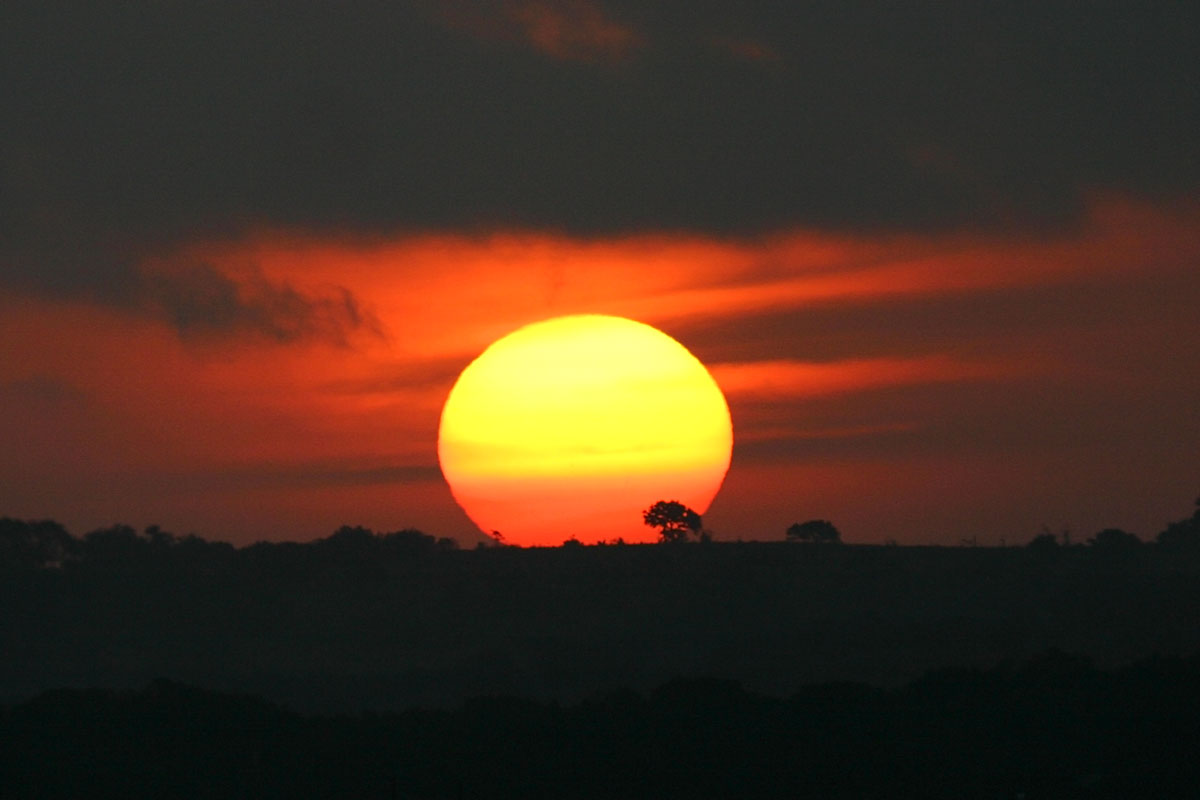
Newest ImagesSPECIAL Weather Event: On January 15-17, 2007 a Winter Ice Storm hits South Texas. Click here to see images of ice accumulation at Horizontal Heavens Observatory. (Below Left) Red Sunrise 9/4/2012 - This sunrise is a bit darker and more brooding. I did manage to capture the isolated tree on the horizon that I noticed last Spring and wanted to get this Fall. Not quite a centered behind the Sun as I remember from last Spring, but nature does what nature does.
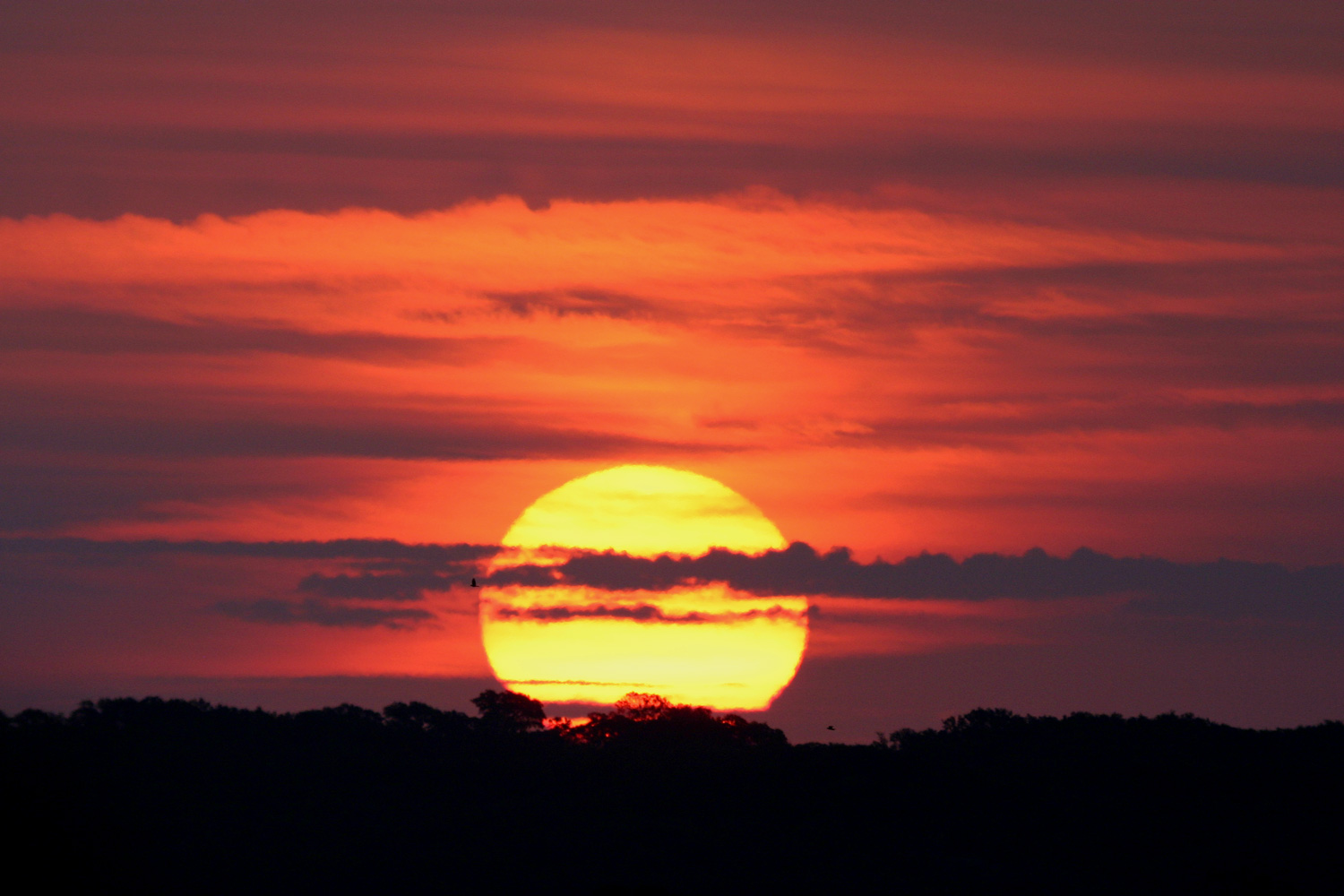
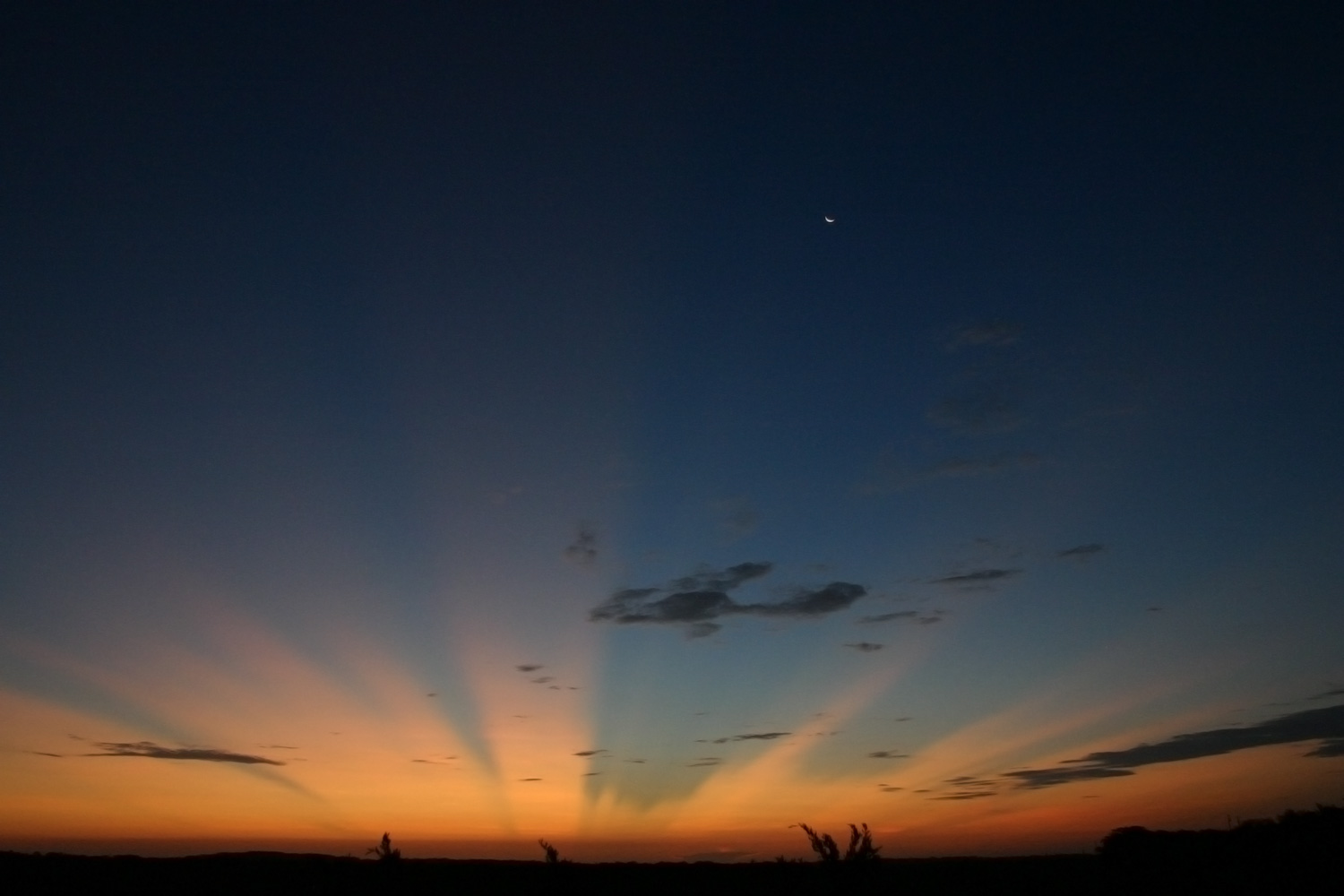
(Below Left) Pre Hurricane Isaac Red Sunrise 8/28/2012 - The clouds and Sun almost seem to be psychedelically painted (over saturated) because of the strong refraction through the cloud's moisture. I thought something was wrong at first, until I noticed how well the two birds were focused on either side of the Sun. (Below Right) Sunrise Spikes with waning Crescent Moon July 27, 2011 - The sky lit up as if it were one large painting canvas!
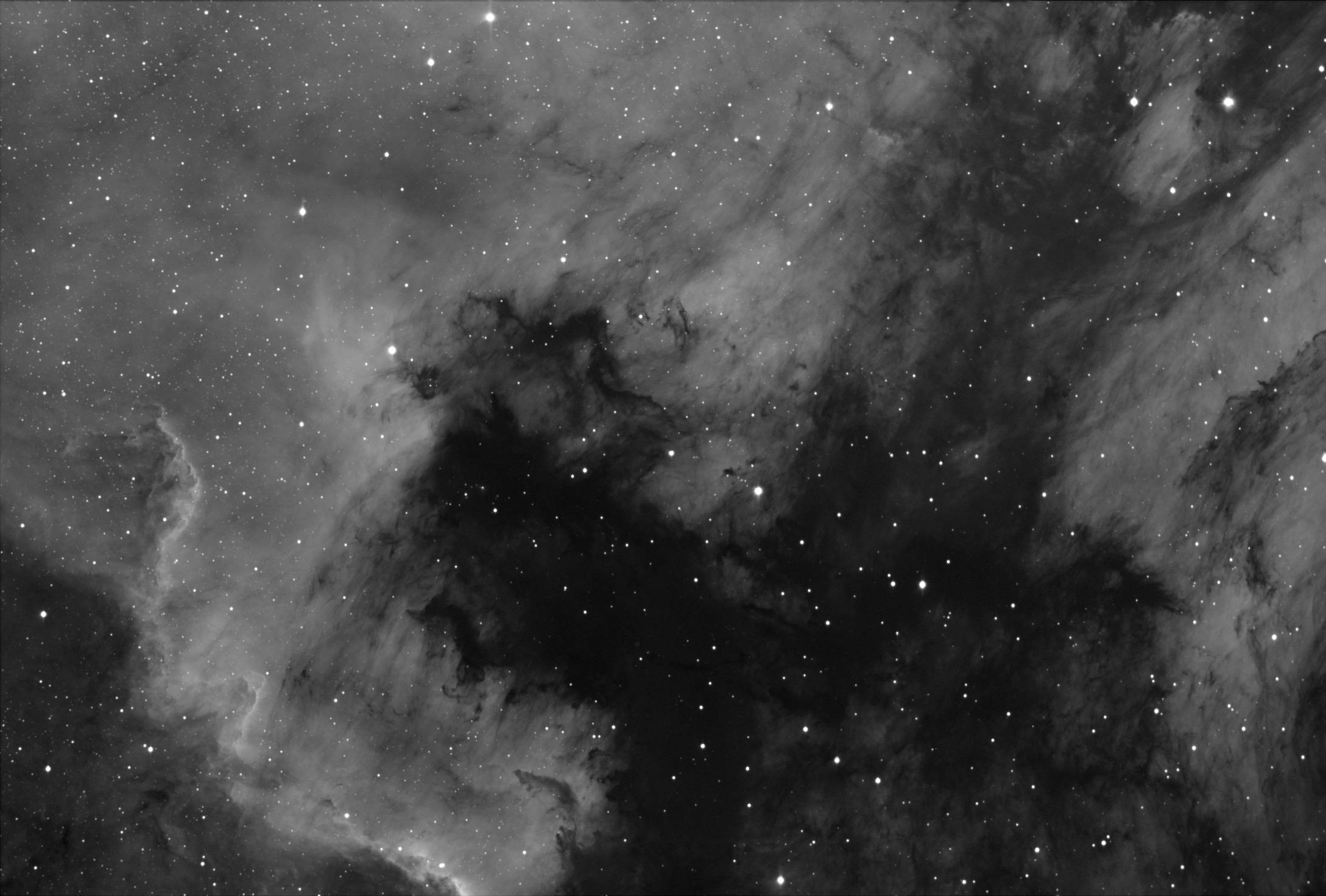
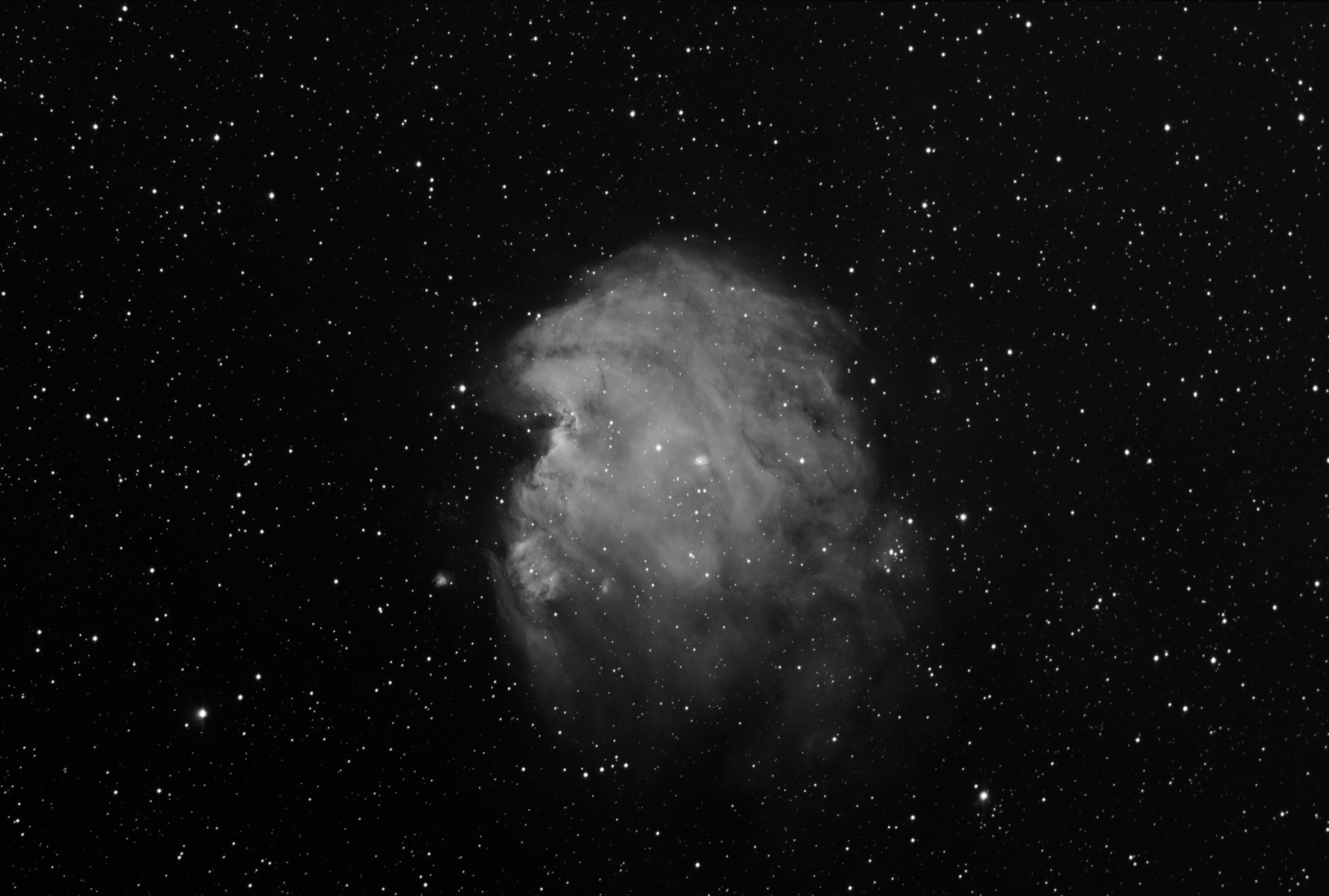
(Below Left) NGC7000 Cygnus Wall in H-alpha - ST-10XME on NP-127 w/.8xFR, 528mm f/4.2. Ha (9)20m , 11/18/2010. (Below Right) NGC2175 Monkey's Head Nebula - ST-10XME on NP-127 w/.8xFR, 528mm f/4.2. Ha (10)20m , 11/18/2010. Robotic Image Acquisition by CCDCommander, processed in ImagesPlus and Photoshop CS4. NOTE: Rumor has it that the BP Oil Spill continues to pollute the Gulf f Mexico and my image confirms just that, oil is spoiling the entire Gulf coast region as seen (below left). I even caught the BP CEO monkeying around (below right) and smiling at his evil deed. At least we know that President Obama has held BP responsible and is making BP pay for all the damage seen below 8-).
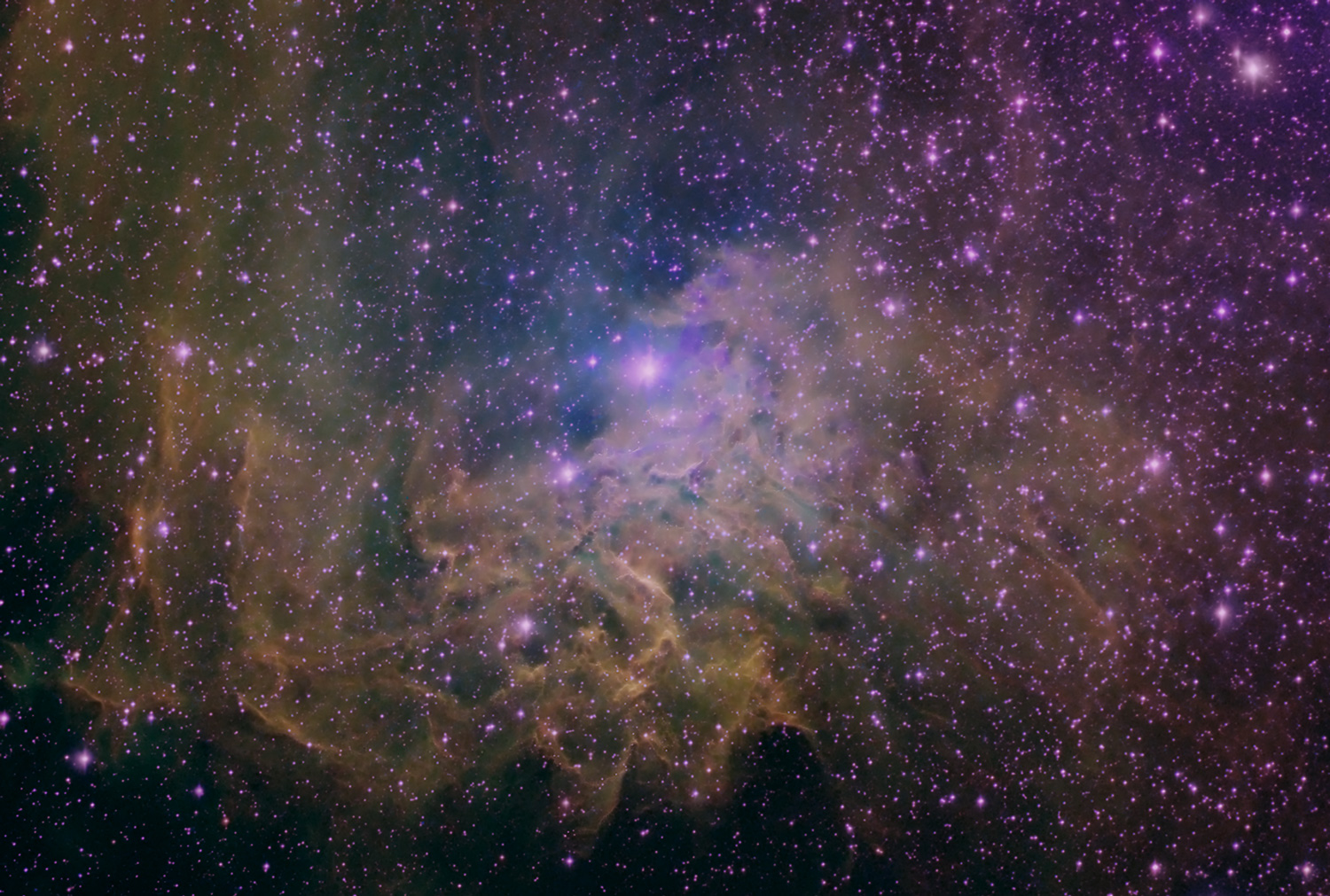
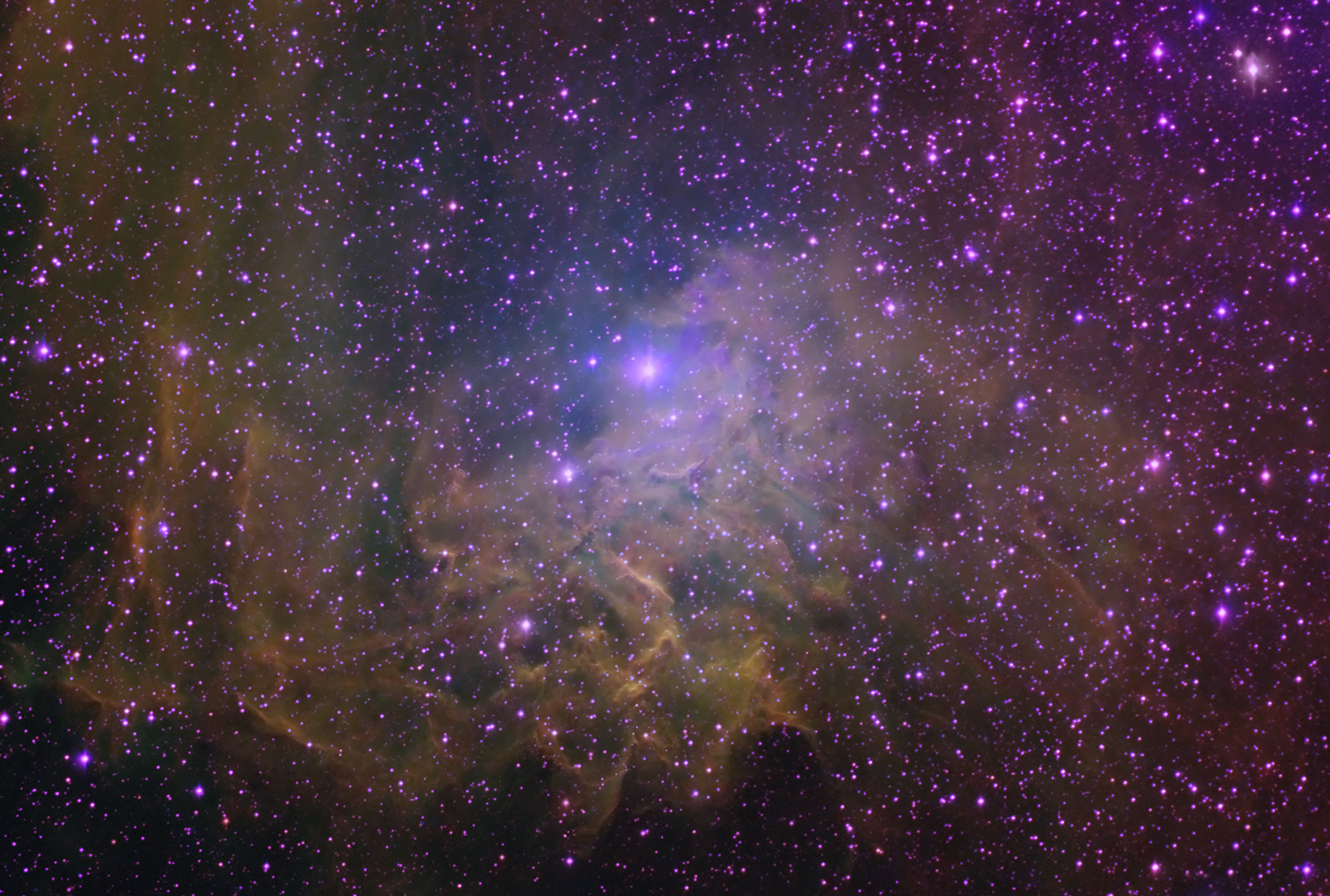
(Below) IC405 Flaming Star Nebula - ST-10XME on NP-127 w/.8xFR, 528mm f/4.2. Hubble Palette SII (31)20, Ha (3)20m, OIII (33)20m for total exposure of 22 hours, 11/4/2010 thru 11/7/2010.
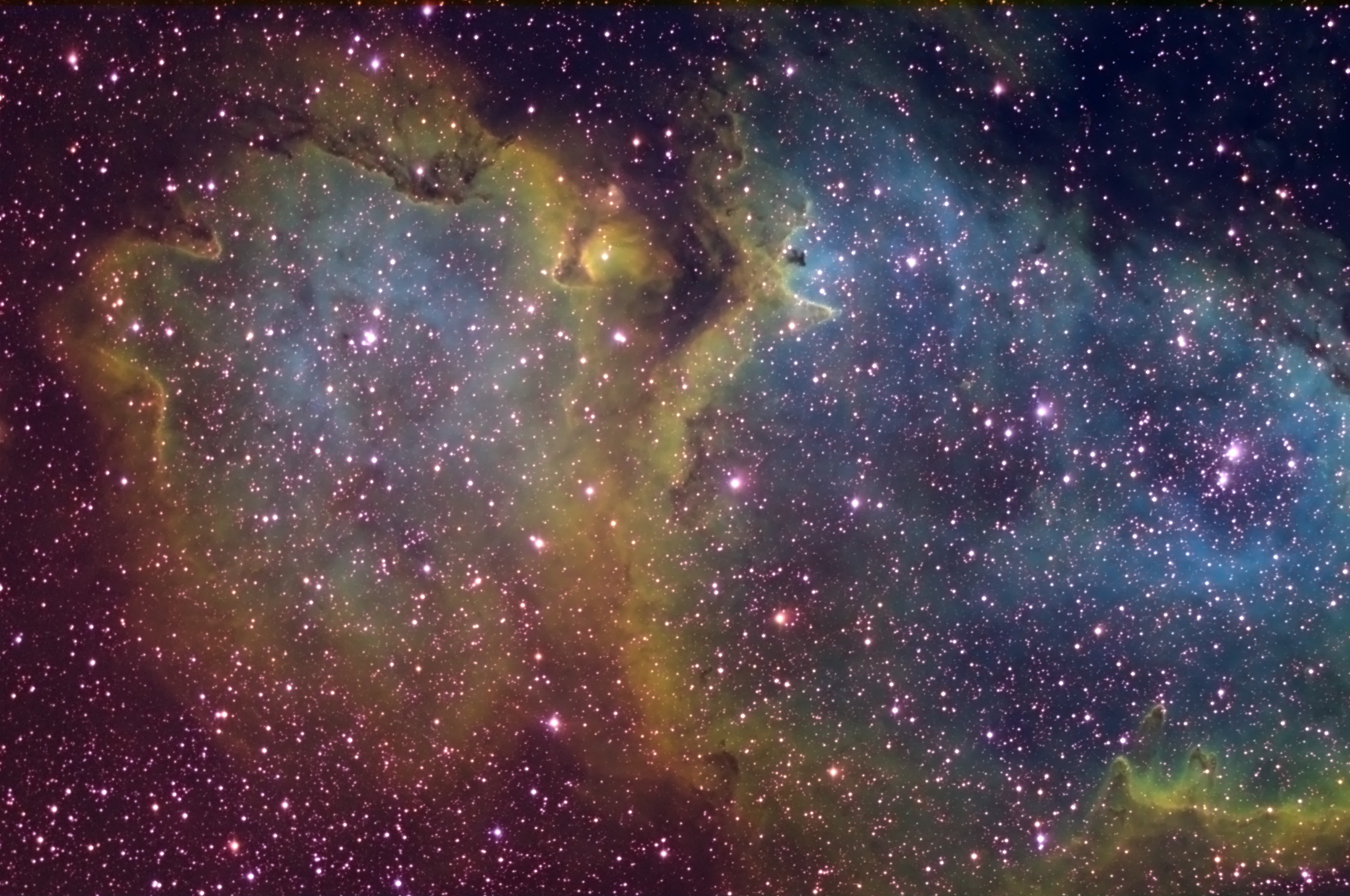
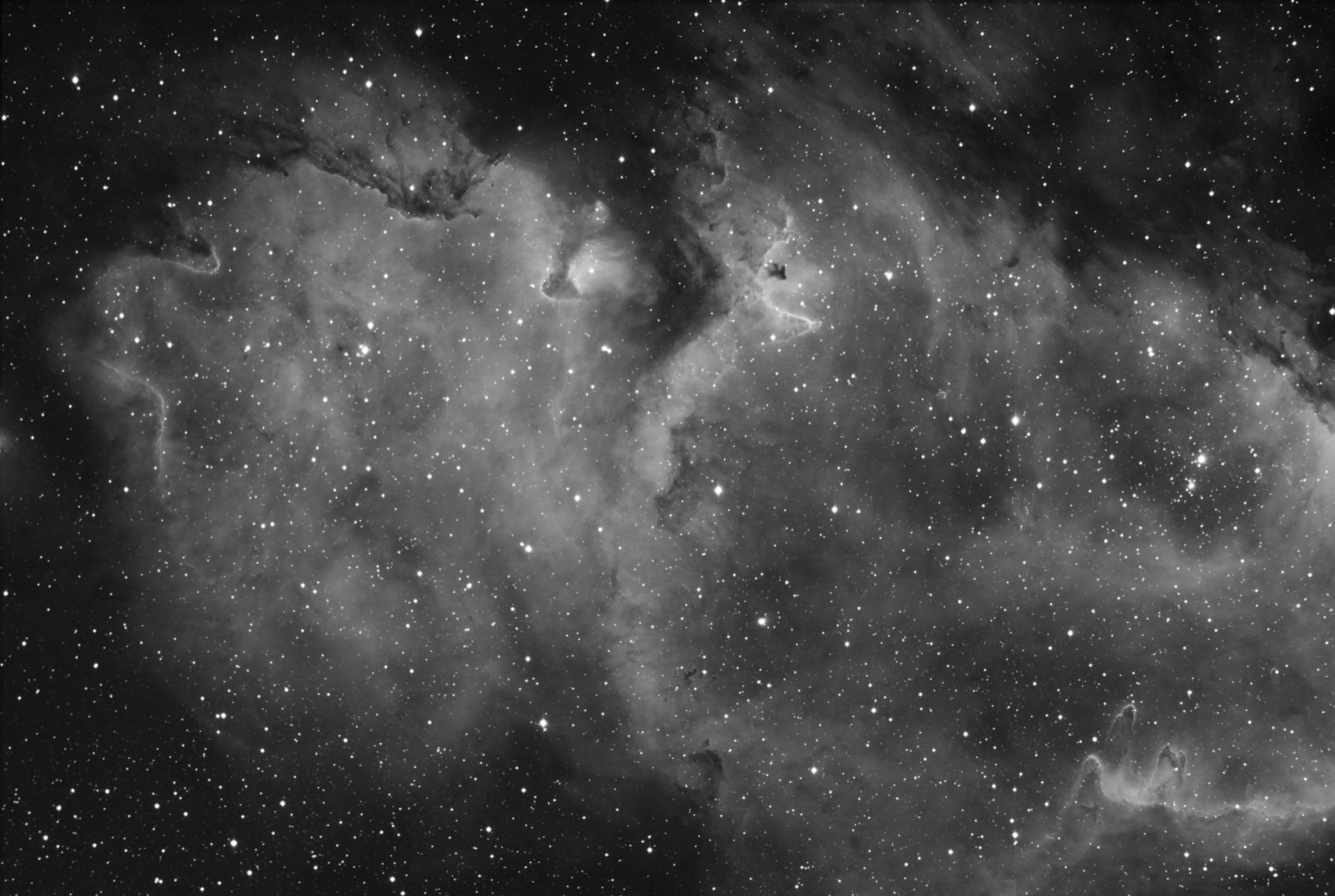
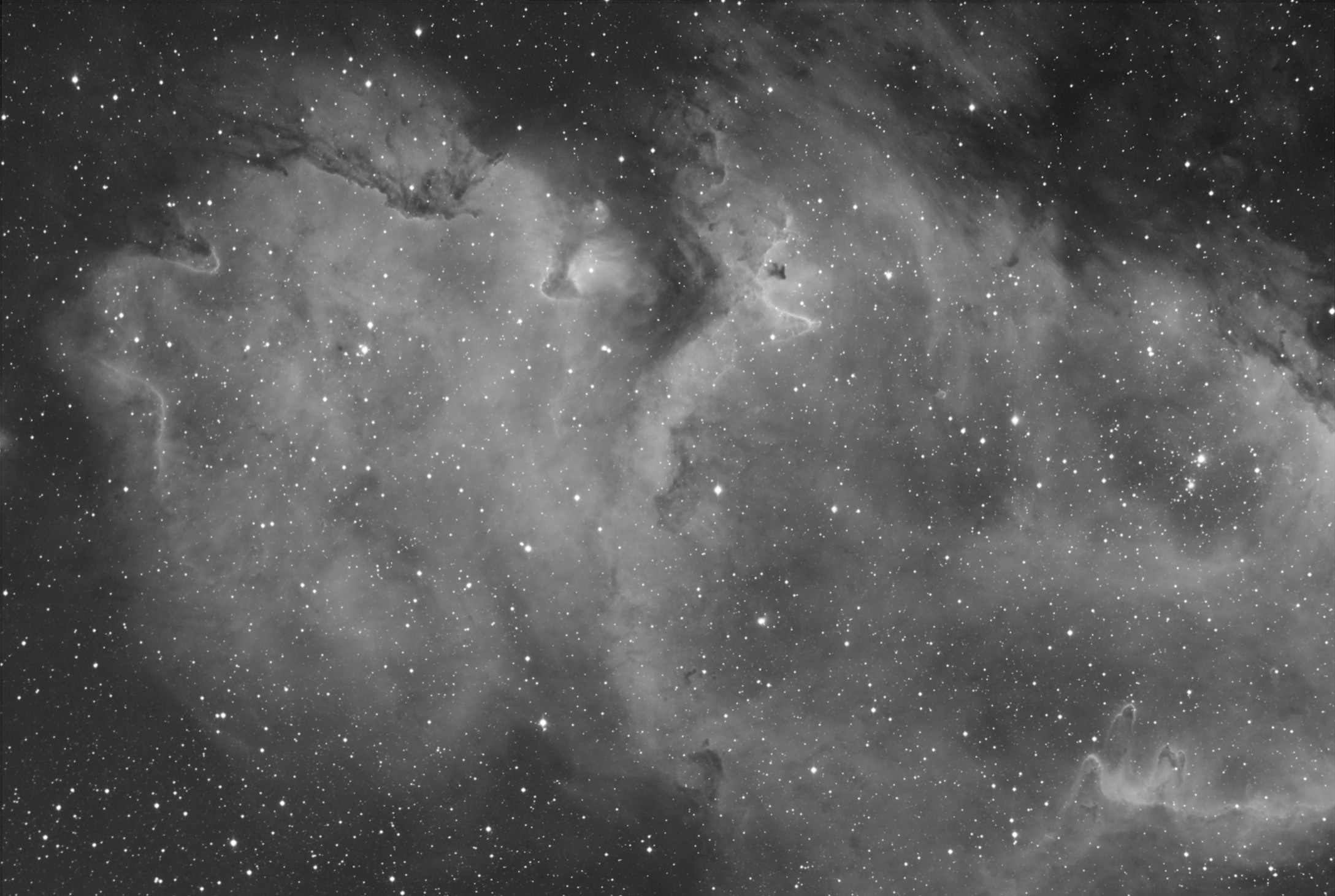
(Below) IC1848 and IC1871 The Soul Nebula - ST-10XME on NP-127 w/.8xFR, 528mm f/4.2. Hubble Palette SII (39)20, Ha (26)20m, OIII (31)20m for total exposure of 32 hours, 10/3/2010 thru 10/8/2010.
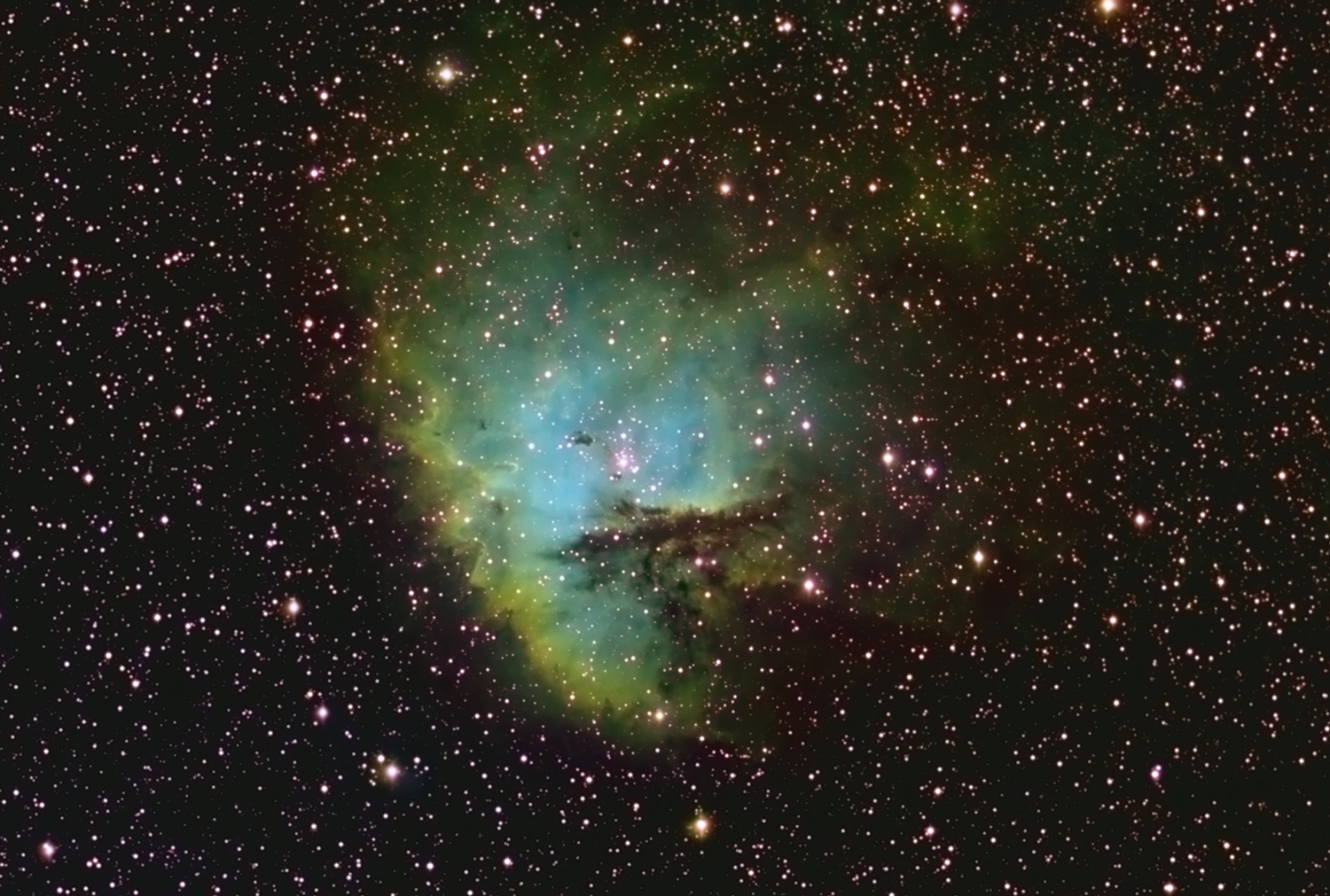
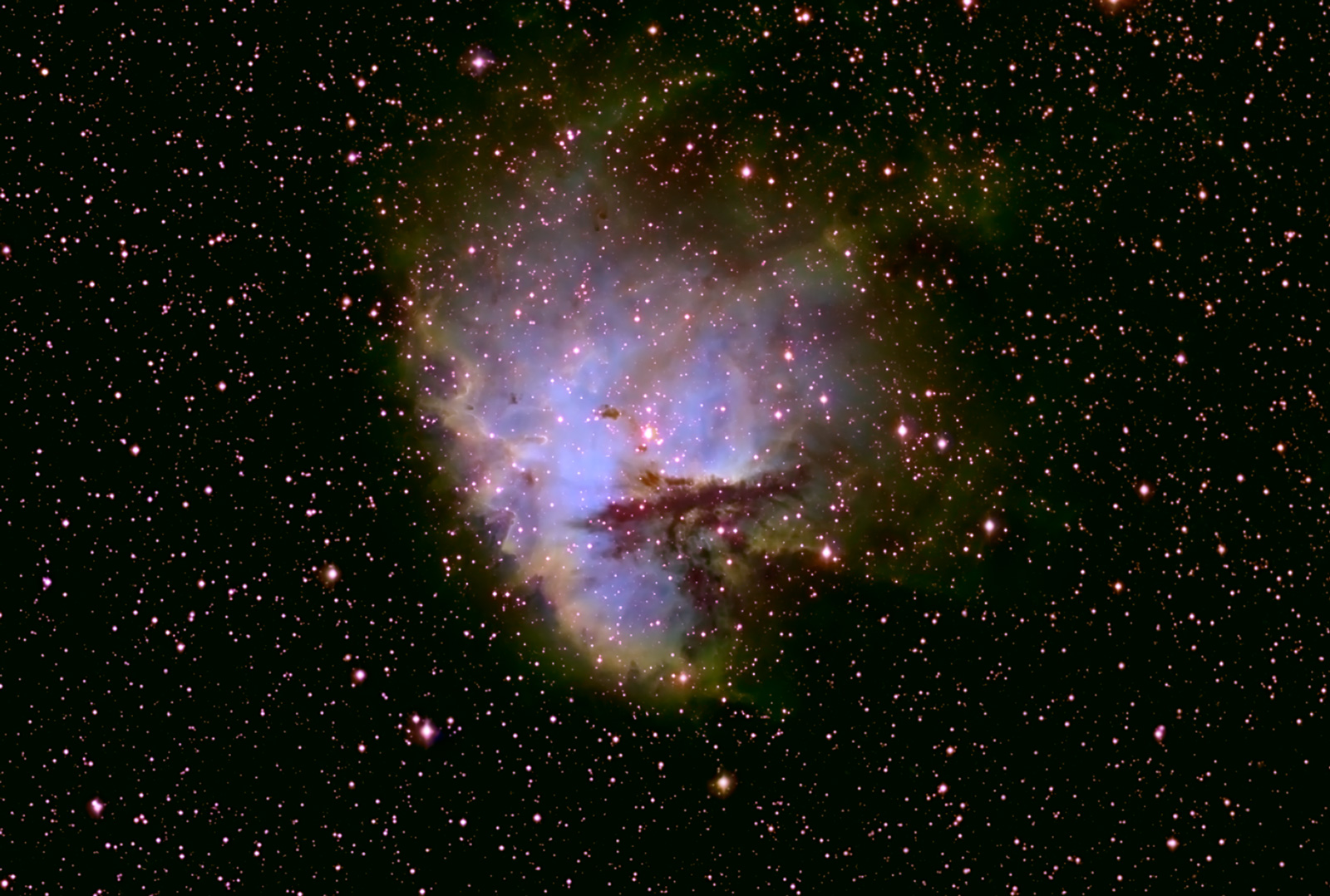
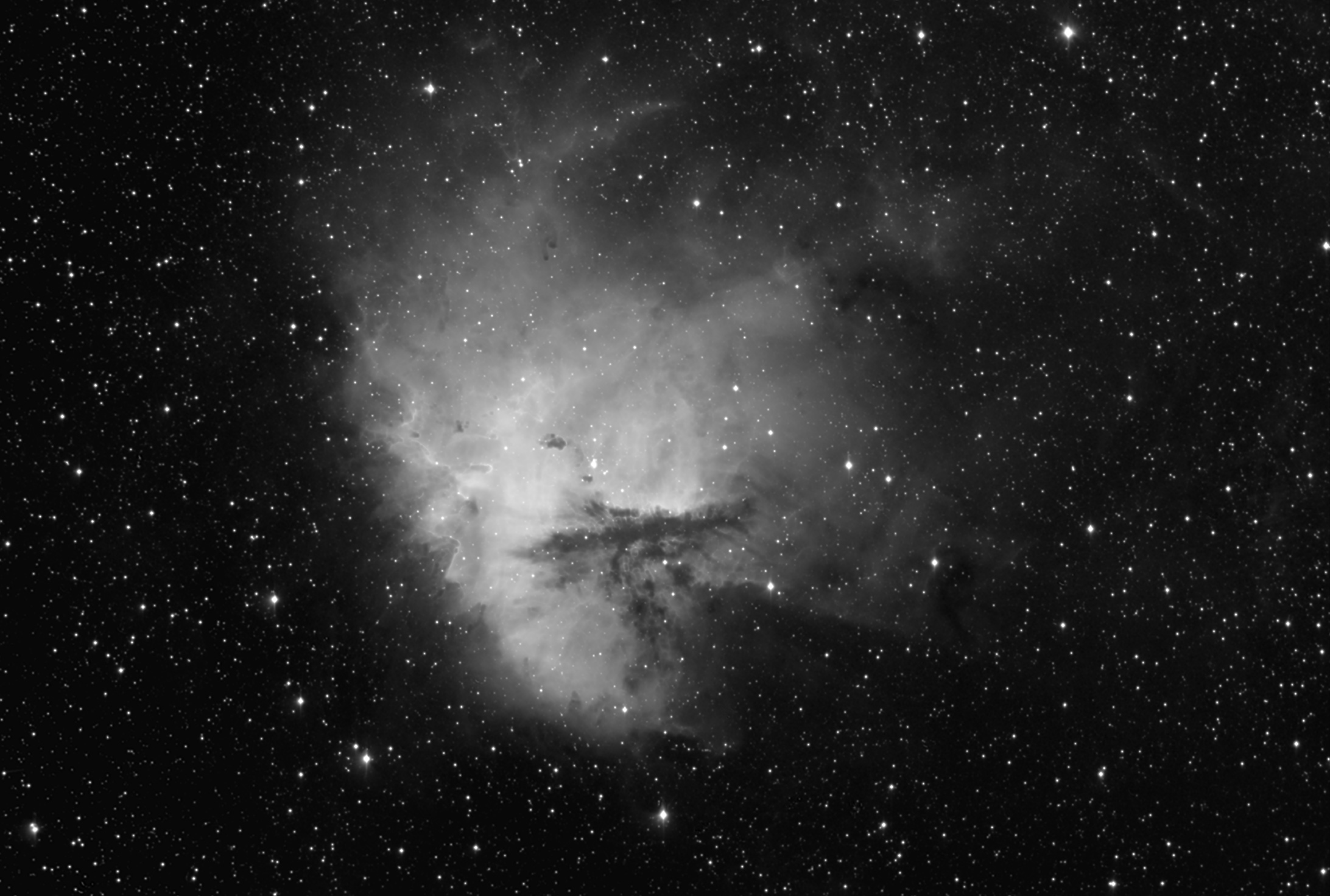
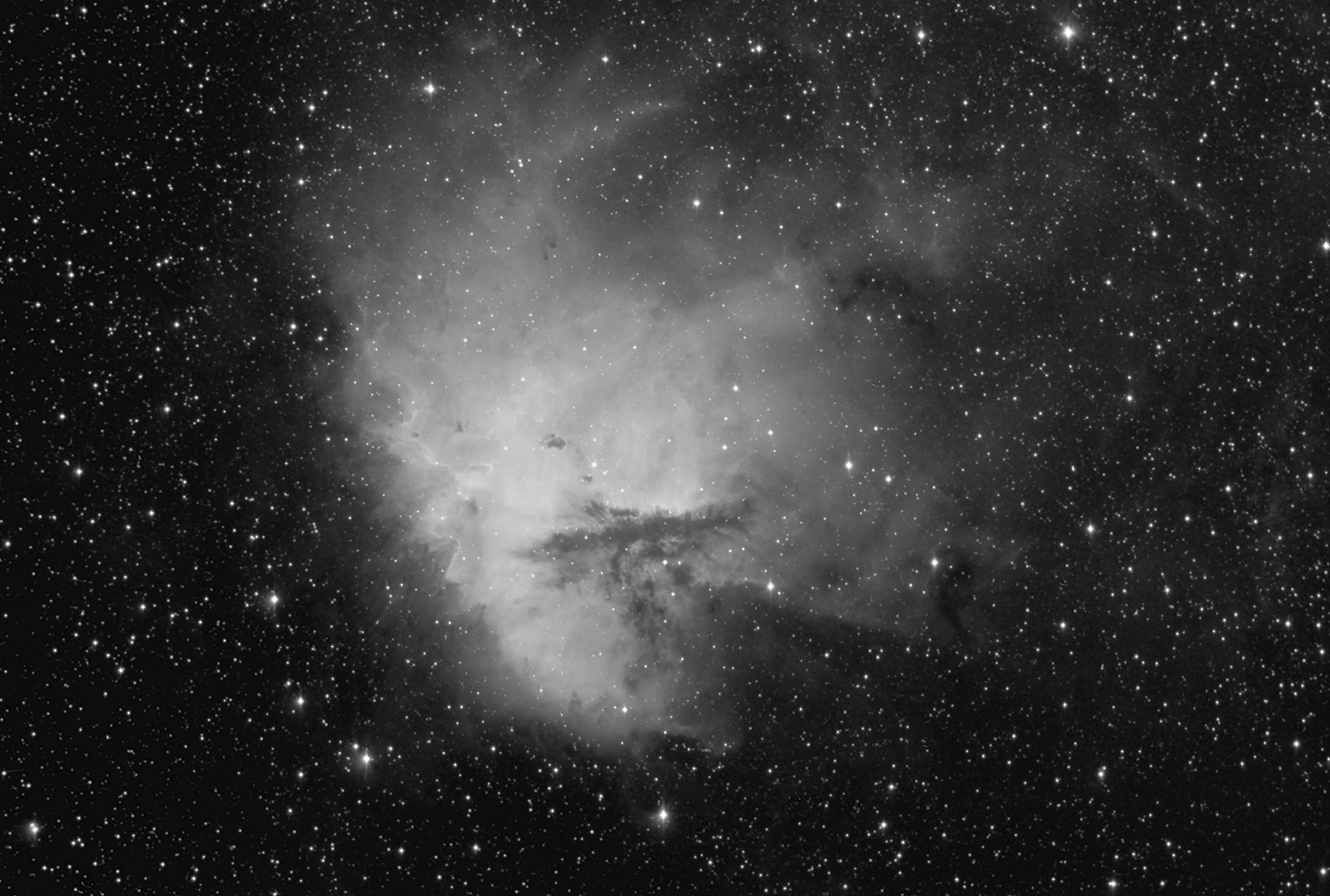
(Below) NGC281 / IC11 Pacman Nebula - ST-10XME on NP-127 w/.8xFR, 528mm f/4.2. (Left) Hubble Palette (48)15m SII, (36)15m H-alpha, (48)15m OIII, 33hr total exposure, 9/30/2010 thru 10/2/2010. (Lower) 9hr or (36)15m H-alpha, 10/5-8/2011. Processed in ImagesPlus and PS-CS4, including 2 iterations of PS Actions of "Make Stars Smaller" followed by a "Smart Sharpen". (Lower Right) Super-stretched version of the H-alpha to show the extent of the nebulosity.
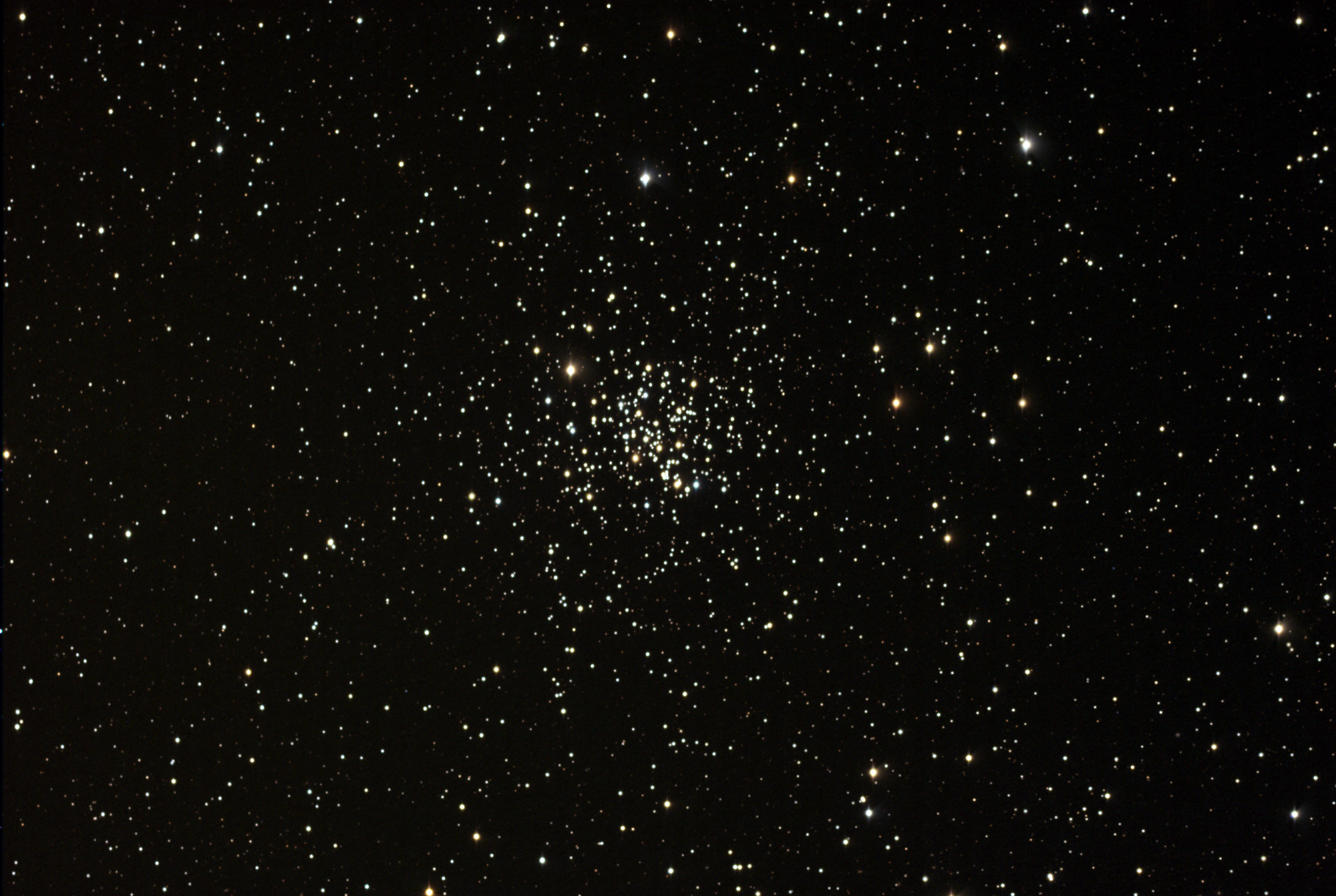
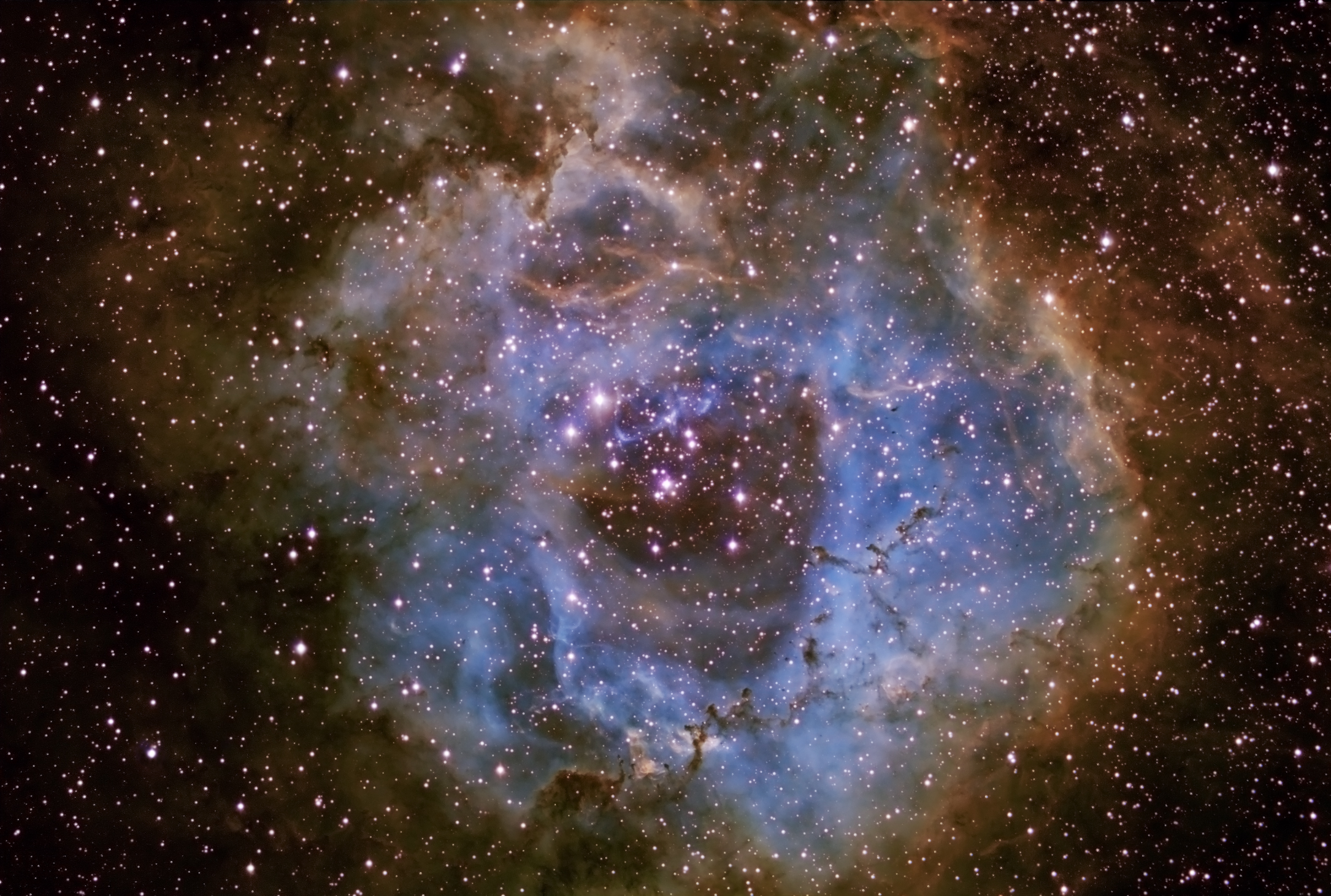
(Below Left) M67 Open Cluster - ST-10XME on NP-127 w/.8xFR, 528mm f/4.2, (45)1m each of RGB, 2/15/2010. This is one of the oldest open clusters known and consists of roughly 500 stars of approximately the same age as our sun (3-5BY). (Below Right) NGC2244 Rosette Nebula - Narrowband Hubble Palette (S,Ha,O), ST-10XME on NP-127 w/.8xFR, 528mm f/4.2, 12.66 hours Total Exposure, (12)20m SII, (12)20m Ha, (14)20m OIII, 01/09-10/2010. Has additional PS action (local contrast enhancement).
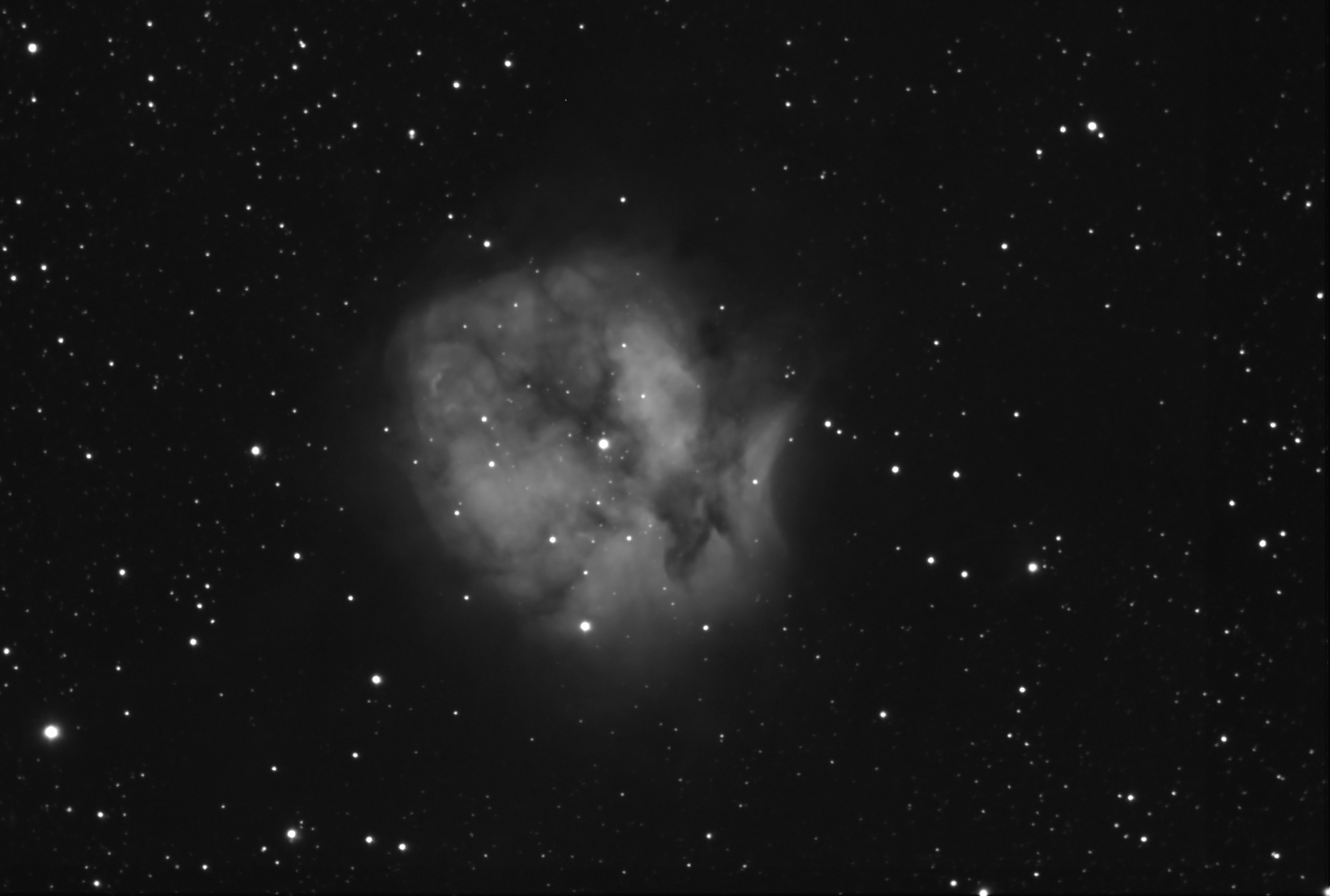
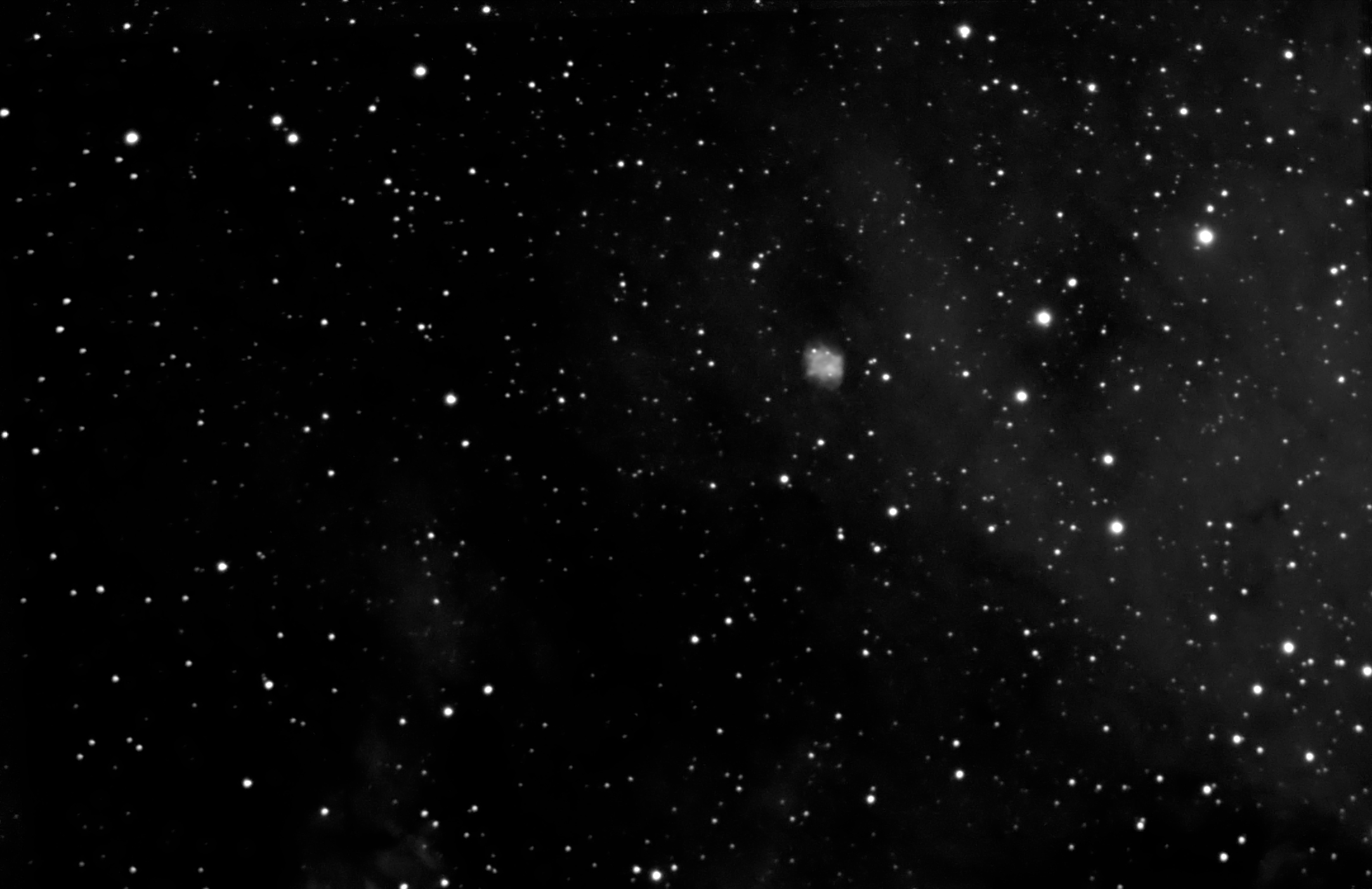
(Below Left) NGC5146 Cocoon Nebula - 10" LX200R, f/7.3 FL1825mm, H-alpha (8)15m, 11/25/2009. (Below Right) Howell-Crisp 1 (HoCr1) - 10" LX200R, f/7.3 FL1825mm, 0.77"/pixel, H-alpha (18)15m 01/04/2010.
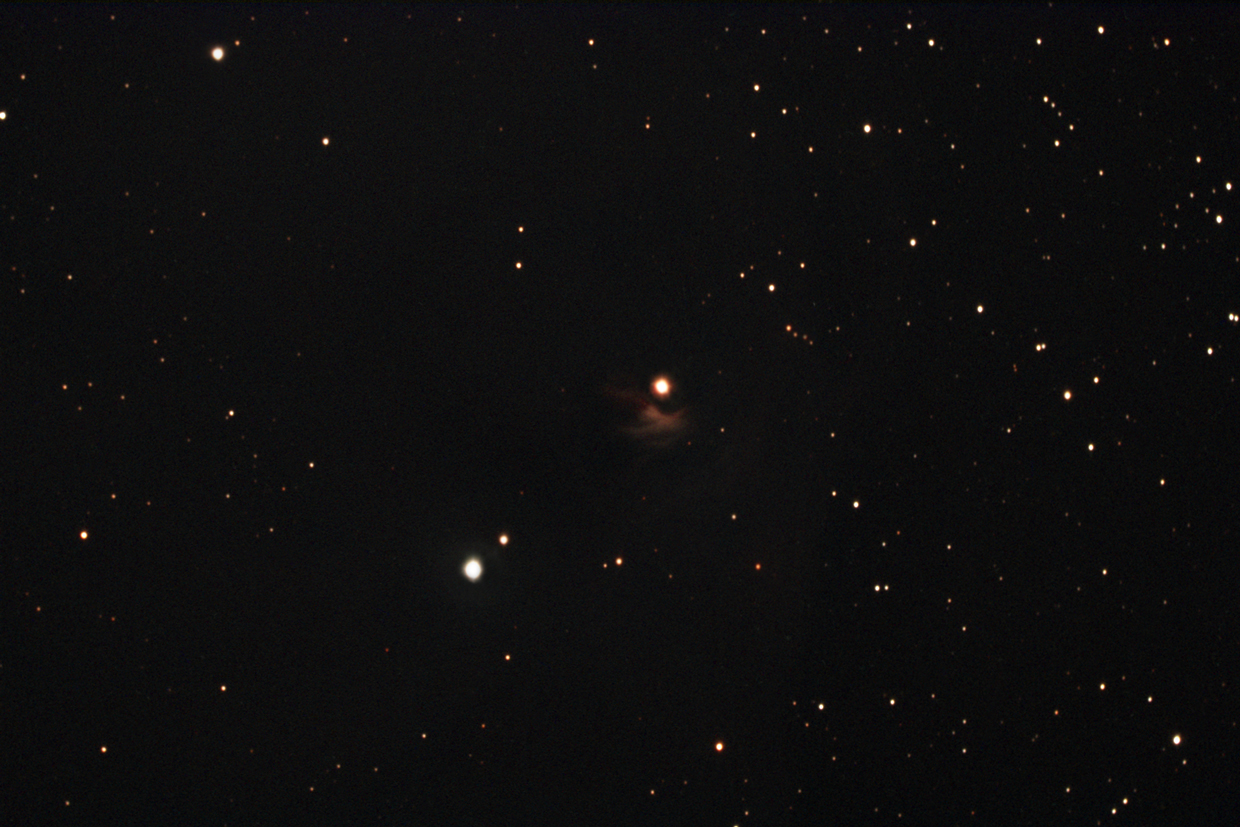
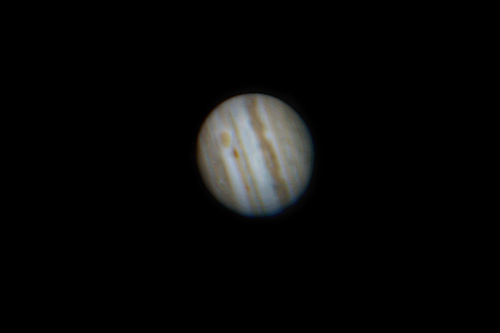
(Below Left) NGC1555 Hind's Variable Nebula - 10" LX200R, f/7.3 FL1825mm, 0.77"/pixel, (12)5min RGBs, 11/06/2009. This comet-shaped area of faint nebulosity is small, just 30arcsec across and is located just west of the star T Tauri, in the constellation Tau, which provides the luminosity for the nebula. As a reflection nebula, narrowband nebula filters will not help when imaging this target. The variations in brightness are caused by subtle changes in the size/shape of the nebula as seen from our vantage point. (Below Right) Jupiter - 10" LX200R, f/20, 5000mm, Meade LPI, 475 images over 5min., 11/1/2009. This is my very first attempt at planetary imaging with a LPI.
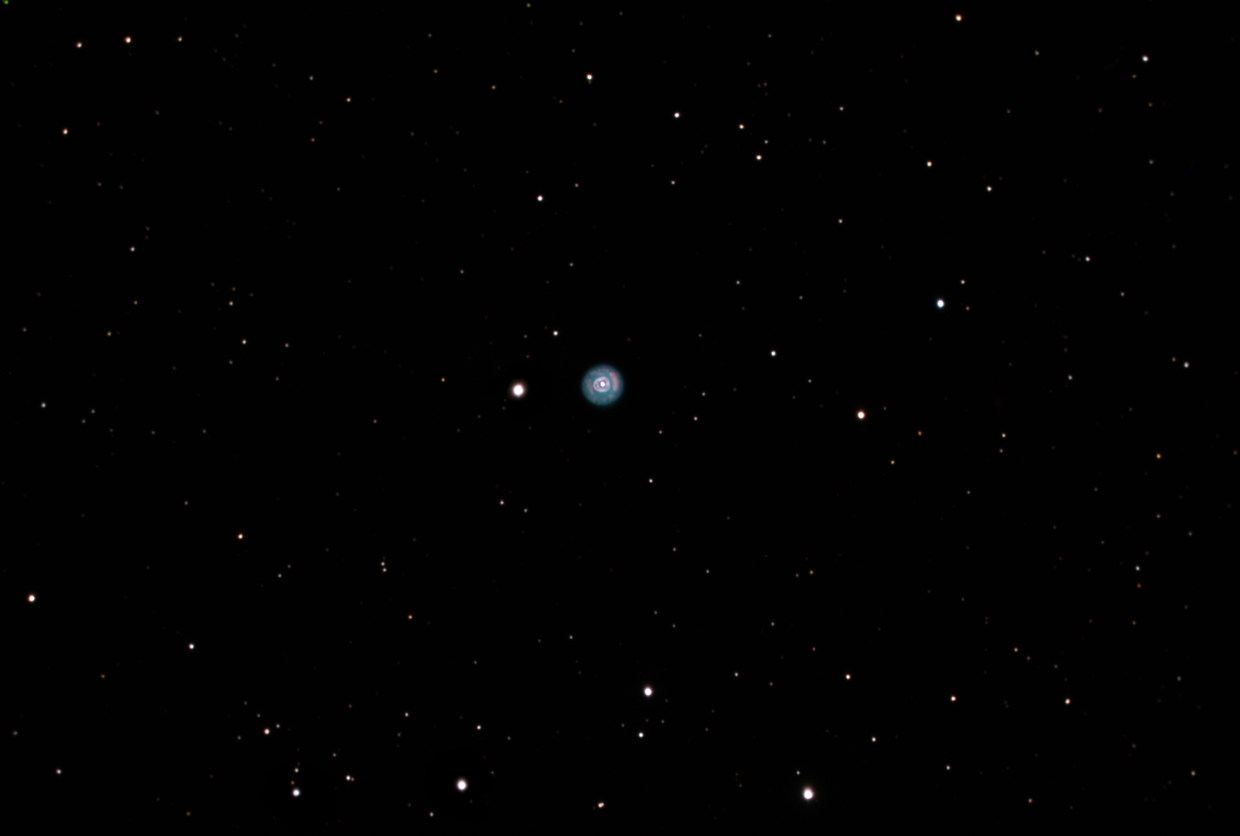
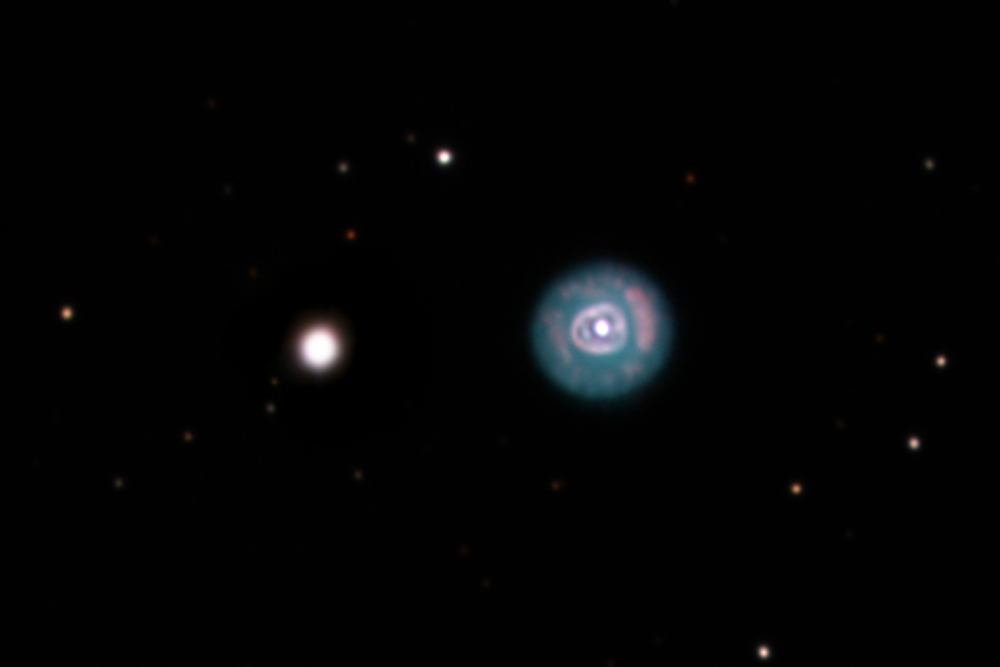
(Below) NGC2392 Eskimo Nebula - 10" LX200R, f/8.4, 2100mm,0.67arcsec/pixel, ST-10XME, (20)90sec RGBs, 3/17/2009. This was a rather small target, even for the 10" scope. After the initial DDP stretching and color balancing, I used the PScs2 'lasso' tool and 'levels' to tone down the central area of the nebula and bring out more detail.
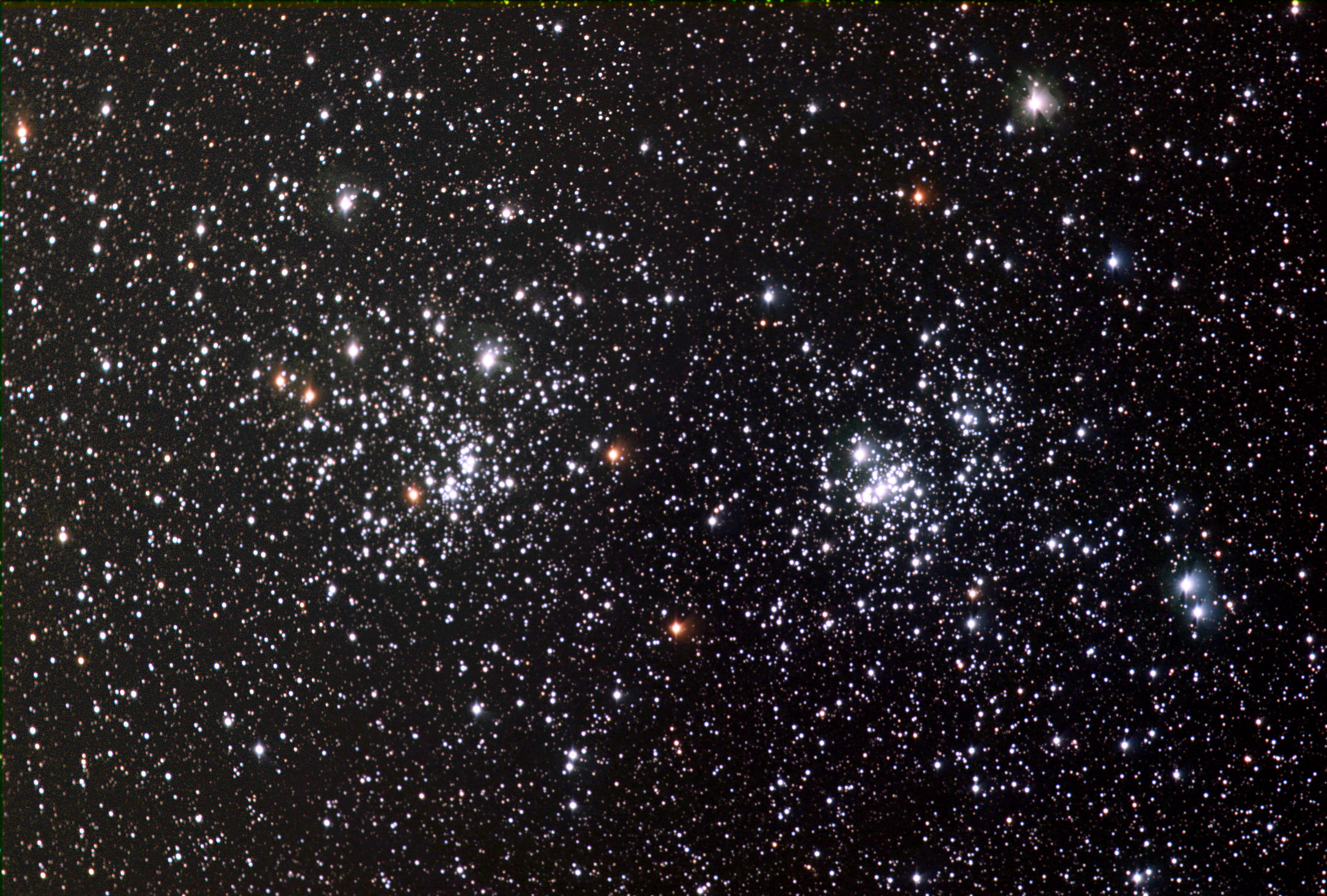
(Below) NGC869, NGC884 Double Cluster - NP-127w/ST-10XME, (50)1min RGBs, 9/13/2007.
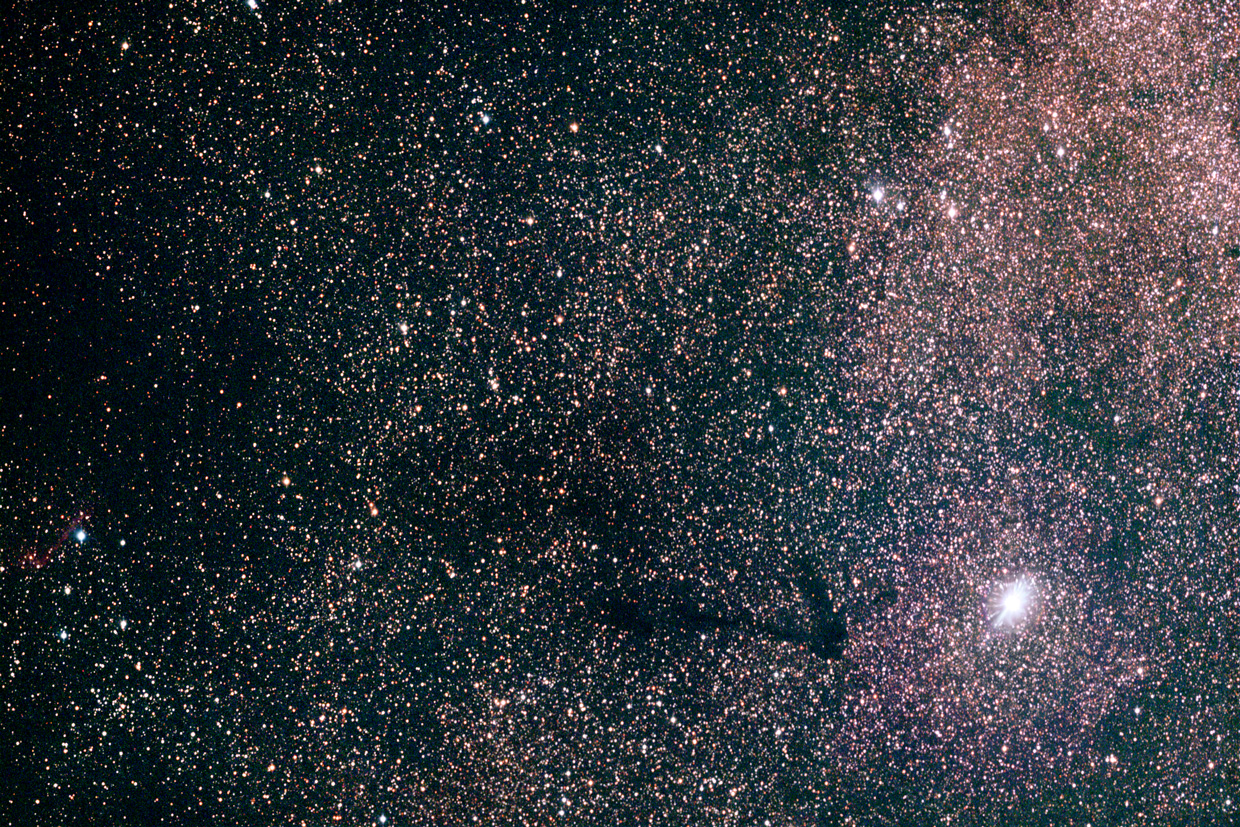
(Below) Lynd's Dark Nebula LDN532 (Barnard 104) - NP-127w/ST-10XME, (14)1min RGBs, 9/6/2007. Located just North (North is left) of Beta Scuti in Scutum, LDN532 trails off to the left and just peeking in is LBN91 (Lynd's Bright Nebula) on the very left side of the image in red.
|